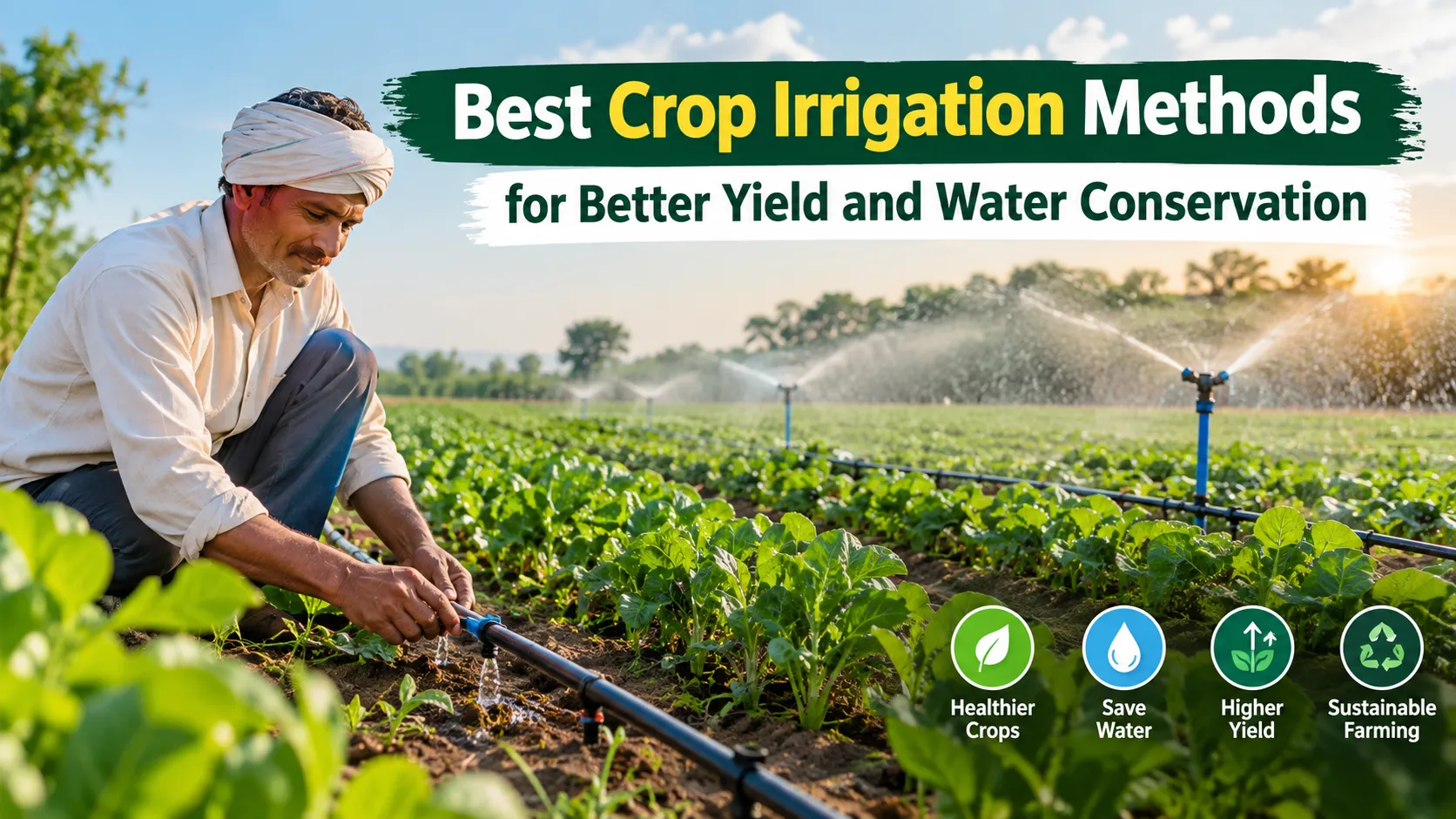
The Right Water at the Right Time Can Change an Entire Crop
Crop Irrigation Methods are no longer only about supplying water to a field. For today’s farmers, irrigation is about delivering the right amount of water, at the right time, with minimum loss and maximum benefit to the crop.
Imagine two farmers growing similar crops on nearby land. Both invest similar amounts of effort, seeds, fertilisers and labour. One farmer waters the field without proper planning, while the other uses an irrigation system designed according to the crop, soil and water source.
At the end of the season, their results can be very different.
The second farmer may experience better water distribution, healthier crop growth and lower water wastage. This simple difference explains why choosing the right irrigation method has become increasingly important for modern agriculture.
Water management is now a major farming challenge. According to the Food and Agriculture Organization, agriculture accounts for around 72% of global freshwater withdrawals, making efficient water management essential for future food production.
For farmers, contractors, dealers, builders and government infrastructure departments, the goal is clear: build irrigation systems that deliver reliable performance while using water responsibly.
Why Choosing the Right Crop Irrigation Method Matters
Plants do not simply need more water. They need water according to their growth stage, root depth, soil type and weather conditions.
Too little water can affect plant growth. Too much water can increase runoff, waterlogging and nutrient loss.
This is why the best irrigation system is not always the most expensive one. It is the system that matches the actual requirement of the farm.
A well-planned irrigation system can help farmers:
- Improve water distribution across the field
- Reduce unnecessary water loss
- Support healthier crop growth
- Reduce labour requirements in suitable applications
- Improve consistency in irrigation
- Support long-term water conservation
India is also moving towards more water-efficient farming. The government’s Per Drop More Crop programme promotes micro-irrigation, including drip and sprinkler systems, to improve farm-level water-use efficiency. By July 2026, the programme had brought more than 115 lakh hectares under micro-irrigation.
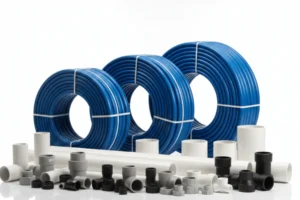
The choice of pipes also plays an important role. A reliable HDPE Pipe Manufacturer in Indore can help farmers and contractors select suitable piping for water transfer and agricultural distribution, while a PVC Pipe Manufacturer in Indore may provide appropriate solutions for specific rigid irrigation applications.
Understanding the Most Common Crop Irrigation Methods
Different farms require different solutions. The size of the field, crop type, soil, water availability and budget should all influence the decision.
1. Surface Irrigation
Surface irrigation is one of the traditional methods where water flows across the soil using gravity.
Common forms include:
- Flood irrigation
- Furrow irrigation
- Basin irrigation
This method can be simple to operate and may work well in suitable land conditions. However, uneven fields or poor water control can lead to water loss.
Surface irrigation may be suitable when:
- Land is relatively level
- Water availability is sufficient
- Crop requirements allow wider water application
- Installation budgets are limited
The major challenge is control. Water may not reach every part of the field equally if the land is poorly levelled or the flow is not properly managed.
A dependable pipe network can still improve water delivery to different sections of the farm. Farmers searching for an Irrigation Pipe Manufacturer in Indore should compare pipe suitability based on water pressure, distance, field conditions and the planned irrigation method.
2. Sprinkler Irrigation
Sprinkler irrigation distributes water over crops in a controlled spray pattern. It can be useful for open fields, horticulture areas, nurseries and farms where uniform distribution is important.
The system generally includes:
- A water source
- Pumping arrangement
- Mainline and sub-main pipes
- Sprinkler pipes
- Fittings and couplings
- Sprinkler heads
Sprinkler systems can offer flexibility because sections of the system may be designed according to field layout and irrigation requirements.
Farmers often search for a Sprinkler Pipe Manufacturer in Indore when planning new agricultural systems. However, choosing only the pipe is not enough. Pipe size, pressure requirements, pump capacity and sprinkler spacing should work together.
For customers searching online, terms such as Sprinkler pipe dealers near me or Sprinkler irrigation pipe dealer in indore often indicate that they are looking for a nearby supplier. Before purchasing, they should share their field size, water source and pump details with the supplier.
When Sprinkler Irrigation Can Be a Good Choice
Sprinkler irrigation may be useful for:
- Uneven land
- Field crops
- Vegetable cultivation
- Nurseries
- Large agricultural areas
- Farms requiring controlled water distribution
A properly planned system can help avoid dry patches and excessive watering in other areas.
3. Drip Irrigation
Drip irrigation delivers water slowly near the root zone through a controlled network.
This method is commonly considered for:
- Fruit crops
- Vegetable farming
- Orchards
- High-value crops
- Areas with limited water availability
The biggest advantage is targeted water application.
Instead of watering the entire field surface, water is delivered closer to the plant root area.
A recent government backgrounder highlighted a farmer in Andhra Pradesh who shifted from flood irrigation to drip irrigation for an acid lime orchard. The reported result included an increase in yield from 90 to 105 quintals per acre and a reduction in cultivation costs from ₹3 lakh to ₹2.4 lakh.
Every farm will not produce the same result, but the example shows why irrigation planning can make a significant difference.
4. Subsurface Irrigation
Subsurface irrigation delivers water below the soil surface through specially designed systems.
It can reduce surface evaporation in suitable applications and support controlled root-zone watering.
However, installation and maintenance require careful planning.
This method may be more suitable for specialised agricultural projects where the crop value and long-term system design justify the investment.
For large projects, civil contractors and infrastructure departments should work with experienced irrigation planners before selecting materials and layouts.
Crop Irrigation Methods Comparison Table
| Irrigation Method | Water Application | Best Suitable For | Main Advantage | Important Consideration |
|---|---|---|---|---|
| Surface Irrigation | Water flows over soil | Large traditional farms | Simple operation | Higher risk of uneven distribution |
| Sprinkler Irrigation | Water sprayed over crops | Field crops and nurseries | More controlled distribution | Requires correct pressure and layout |
| Drip Irrigation | Water delivered near roots | Fruits and vegetables | Targeted water application | Needs regular system maintenance |
| Subsurface Irrigation | Water below soil surface | Specialised farming | Reduced surface water exposure | Higher planning and installation requirements |
The correct choice depends on the farm, not just the popularity of a method.
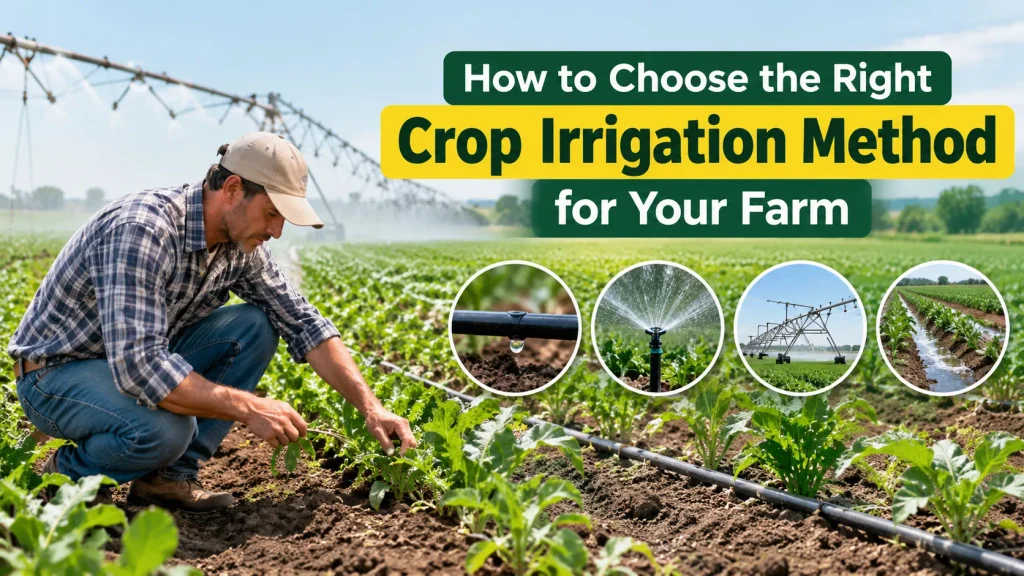
How to Choose the Right Crop Irrigation Method for Your Farm
Step 1: Understand Your Crop’s Water Requirement
Different crops need different amounts of water.
A vegetable crop may require a different watering pattern than wheat, soybean or an orchard.
Ask:
- How deep are the crop roots?
- Does the crop need frequent watering?
- Is uniform water application important?
- Is the crop sensitive to waterlogging?
These answers can help narrow down the right system.
Step 2: Check Your Soil Type
Soil affects how quickly water moves and how long it remains available to plants.
Sandy soil generally drains faster, while clay-heavy soil may retain water longer.
This means the same irrigation schedule should not automatically be used on every farm.
Step 3: Measure Water Availability
Before installing any irrigation network, understand:
- Available water quantity
- Pump capacity
- Water pressure
- Seasonal water availability
- Distance from source to field
Many irrigation problems begin when the system is designed before these factors are checked.
Step 4: Choose the Right Pipe Material
The irrigation method and pipe selection should support each other.
HDPE pipes are often considered where flexibility and durability are important. PVC pipes can be useful for specific applications where rigid piping is suitable.
Farmers and contractors comparing an HDPE Pipe Supplier in Indore should discuss the intended application instead of choosing only by price.
Similarly, customers looking for a PVC Pipe Supplier in Indore should confirm the required diameter, pressure rating and intended use.
Vishal Pipe offers products including HDPE pipes, sprinkler pipes, fittings and other agricultural piping solutions for farming and irrigation applications.
The Importance of Quality Pipes in Modern Irrigation
A good irrigation plan can fail if the piping system is poorly selected or incorrectly installed.
Leakage, pressure loss and damaged connections can affect water distribution across the field.
This is why farmers often search for a HDPE pipe manufacturer in indore or PVC pipe manufacturer in indore when planning agricultural water systems.
However, the right supplier should first understand the application.
A farm may require:
- Flexible HDPE piping
- Sprinkler pipes
- PVC pipelines
- Suction hoses
- Column pipes for borewell systems
- Suitable fittings and couplings
Someone searching for a Pipe Supplier Near Me or HDPE Pipe Dealer Near Me should compare product suitability, service support and technical understanding rather than making a decision only on the lowest price.
For larger agricultural and infrastructure requirements, working with a reliable Pipe Manufacturer in Indore can also make project planning easier.
A Practical Example: Improving Irrigation on a Medium-Sized Farm
Consider a farmer with a 10-acre field.
Previously, water was delivered through an unplanned pipeline arrangement. Some areas received more water, while distant sections experienced reduced flow.
The farmer first measured the water source and pump capacity.
Next, the field was divided into manageable irrigation zones.
Suitable mainlines and distribution pipes were selected according to the required flow.
The sprinkler layout was then planned so that water coverage could be managed more consistently.
The result was not magic.
It was better planning.
This is an important lesson for modern agriculture. Better yield often begins with better control.
Common Mistakes Farmers Make When Choosing Irrigation Systems
Choosing Pipes Only by Price
The cheapest option may not always match the pressure or field requirement.
Before buying from a Best Pipe Manufacturer in Indore, compare specifications, application suitability and expected working conditions.
Ignoring Pipe Size
A pipe that is too small may create excessive pressure loss.
A pipe that is unnecessarily large may increase project costs.
Correct sizing should consider flow rate, distance and system design.
Using the Wrong Material for the Application
A customer searching for a High density pipe dealer in indore may need HDPE for a particular requirement, but another application may require a different product.
There is no single pipe that is best for every irrigation system.
Poor Joint and Fitting Installation
Incorrect fittings can cause leakage and pressure loss.
This is especially important in sprinkler networks where consistent pressure affects water distribution.
Farmers should ensure that couplings and fittings are properly matched to the system.
Ignoring Future Expansion
A farm may expand over time.
Planning the mainline with future irrigation zones in mind can reduce later modification costs.
Crop Irrigation Methods: A Simple Planning Checklist
Before installing or upgrading an irrigation system, check:
What crop will be irrigated?
How much water is available?
What is the pump capacity?
What is the field size?
Is the land flat or uneven?
What type of soil is present?
Which irrigation method suits the crop?
What pipe diameter is required?
What pressure rating is needed?
Are suitable fittings available?
Will the system need expansion later?
Is the supplier experienced with agricultural applications?
This simple checklist can prevent many costly mistakes.
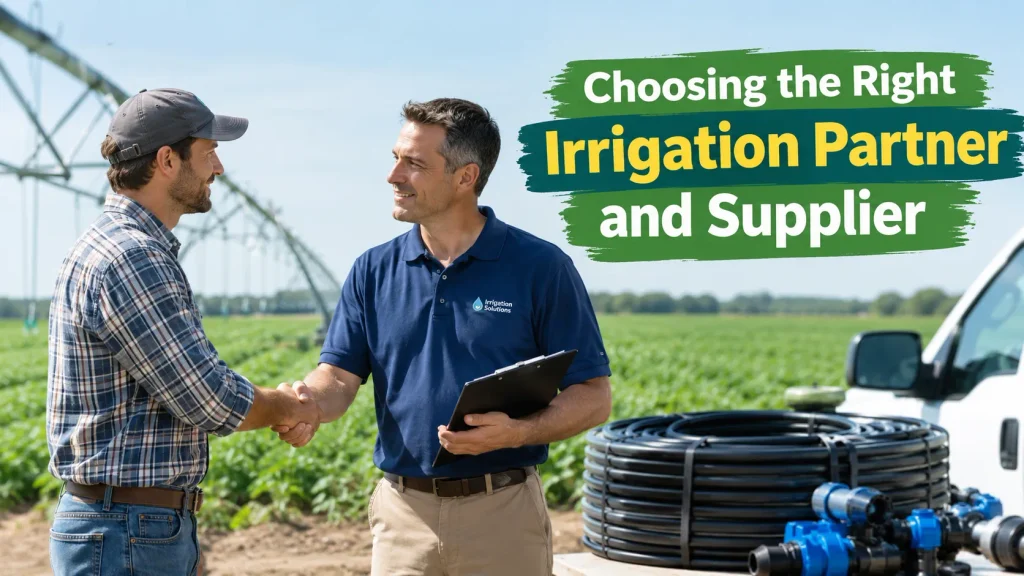
Choosing the Right Irrigation Partner and Supplier
The irrigation industry is changing.
Farmers today are not only looking for pipes. They are looking for solutions that can support efficient farming.
Online searches such as Suction pipe delear in indore, Pipe hose shop near me, Sprinkler system dealer in indore, Plastic pipe manufacturer in indore and Plastic pipe dealer in indore show that customers often begin their buying journey by looking for local availability.
Other searches, including Garden pipe dealer near me and Best column pipe dealer in indore, may involve completely different applications.
This is why a good supplier should understand the difference between farm irrigation, borewell water extraction, garden watering and industrial piping.
For dealers and distributors, product knowledge is equally important. A customer should not be sold the same pipe for every requirement.
Contractors and infrastructure departments should also verify technical requirements before finalising materials for large projects.
Industry Trend: Farming Is Moving Towards Better Water Management
Agriculture is under increasing pressure to produce more while using water more carefully.
Government programmes promoting micro-irrigation, increasing awareness among farmers and better access to irrigation technology are all influencing the industry.
The Per Drop More Crop programme has supported the adoption of drip and sprinkler irrigation across India, encouraging farmers to improve water-use efficiency.
The future of irrigation is likely to involve:
- Better water planning
- Improved pipe materials
- More efficient irrigation layouts
- Automation in suitable applications
- Soil and weather-based irrigation decisions
- Expansion of micro-irrigation
For farmers, the most important trend is simple: every drop of water should be used with greater planning.
Frequently Asked Questions
Which crop irrigation method is best for water conservation?
Drip irrigation is often considered highly effective for targeted root-zone watering, especially for suitable fruit, vegetable and horticultural crops. The best choice still depends on crop type, soil and farm conditions.
Is sprinkler irrigation suitable for large farms?
Yes, sprinkler irrigation can be designed for large agricultural areas. Proper pipe sizing, pressure management and sprinkler spacing are important for consistent performance.
Which pipe is better for agricultural irrigation?
The answer depends on the application. HDPE may be suitable where flexibility is important, while PVC may suit specific rigid piping applications. Always select according to pressure, diameter and irrigation design.
Where can I find an irrigation pipe supplier in Indore?
Farmers may look for an Irrigation Pipe Manufacturer in Indore with experience in agricultural applications and a product range suitable for the planned irrigation system.
What should dealers consider when selecting irrigation pipes?
Dealers should understand the customer’s application, required pressure, pipe size, material preference and expected usage before recommending a product.
Final Thoughts: Better Irrigation Begins with Better Planning
The best Crop Irrigation Methods are not selected by following a single trend.
They are selected by understanding the farm.
The crop, soil, water source, field size and available budget should all influence the final decision.
Surface irrigation may suit one farm. Sprinkler irrigation may be more suitable for another. Drip irrigation may offer advantages for high-value crops that need controlled watering.
The pipe system supporting the irrigation network is equally important.
If you are a farmer, contractor, dealer or project planner, start by understanding your actual water requirement. Then select the irrigation method and piping solution that match the application.
Vishal Pipe supports agricultural and irrigation requirements with products designed for applications including HDPE piping, sprinkler systems, fittings and other water distribution needs.
Before your next irrigation project, ask yourself:
Is your current system simply delivering water, or is it helping you use water in the smartest possible way?
Choosing the right irrigation method today can support better crop management, lower unnecessary water loss and a stronger farming future tomorrow.