Every farmer dreams of a healthy field, a good harvest, and higher profits. But achieving these goals depends on one crucial factor—water management. Whether you grow wheat, soybean, vegetables, sugarcane, or fruits, choosing the right sprinkler pipe can make a significant difference in your crop’s health and productivity.
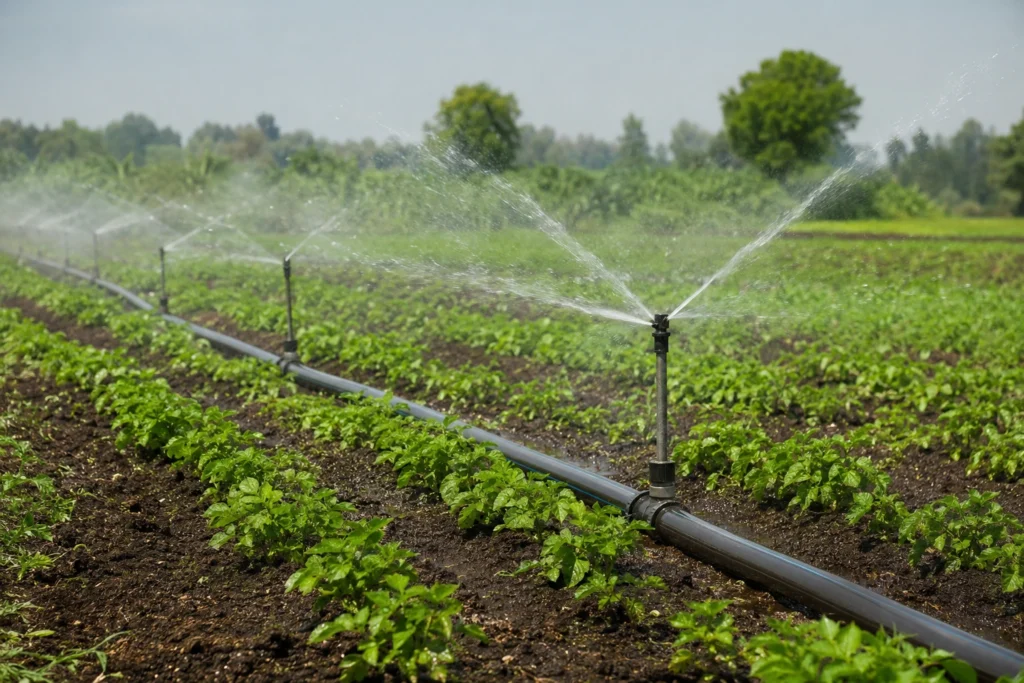
Imagine two neighboring farms receiving the same amount of rainfall. One farmer enjoys lush green crops, while the other struggles with uneven growth and low yield. The difference isn’t luck—it is the irrigation system they use. A quality sprinkler pipe distributes water evenly, reduces wastage, and ensures every plant receives the moisture it needs.
In this guide, we’ll explore how to choose the best sprinkler pipe for different crops, understand the types available, and learn why investing in the right irrigation solution can improve both productivity and profitability.

Choosing the Right Irrigation Pipe for Maximum Water Efficiency
Many farmers believe that any irrigation pipe will do the job. However, this misconception often leads to water wastage, higher electricity bills, and inconsistent crop growth.
A good sprinkler pipe offers several advantages:
- Uniform water distribution across the field
- Saves up to 40–50% water compared to traditional irrigation
- Reduces soil erosion
- Improves fertilizer efficiency
- Promotes healthy root development
- Lowers labor costs
- Increases crop yield
Modern farming is all about using resources wisely, and an efficient sprinkler irrigation system is one of the smartest investments a farmer can make.
Understanding Different Types of Sprinkler Pipes
Not every field has the same irrigation requirements. Soil type, crop variety, water availability, and field size all influence the type of sprinkler pipe you should choose.
1. HDPE Sprinkler Pipe
High-Density Polyethylene (HDPE) pipes are among the most preferred choices.
Best For:
- Wheat
- Maize
- Pulses
- Oilseeds
- Fodder crops
Benefits
- Lightweight
- UV resistant
- Leak-proof
- Long-lasting
- Easy installation
2. PVC Sprinkler Pipe
PVC pipes are widely used because they are economical and durable.
Suitable For
- Vegetable farming
- Kitchen gardens
- Flower cultivation
- Nursery irrigation
Advantages
- Rust-free
- Smooth water flow
- Low maintenance
- Affordable pricing
3. Flexible Sprinkler Pipes
These pipes are ideal for fields requiring frequent movement of irrigation equipment.
Perfect for:
- Seasonal farming
- Temporary irrigation systems
- Small farms
Which Sprinkler Pipe is Best for Different Crops?
Every crop has unique water requirements. Let’s understand what works best.
Wheat
Wheat requires consistent moisture during its growing stages.
Recommended:
- Medium-pressure sprinkler pipe
- HDPE material
- Uniform water distribution
Benefits include better grain formation and improved yield.
Soybean
Soybean fields need controlled irrigation because excess water damages roots.
Choose:
- Durable sprinkler pipe
- Medium spacing sprinklers
- Pressure-resistant pipes
This helps prevent waterlogging while maintaining healthy soil moisture.
Cotton
Cotton crops require irrigation over large areas.
Ideal Features:
- High-pressure sprinkler system
- Strong plastic pipes
- UV-resistant material
The right sprinkler system reduces labor while ensuring even coverage.
Vegetables
Tomatoes, onions, cabbage, cauliflower, spinach, and leafy vegetables need gentle irrigation.
Best Choice:
- PVC sprinkler pipes
- Fine spray nozzles
- Low-pressure systems
Uniform watering improves vegetable quality and size.
Sugarcane
Sugarcane consumes a large quantity of water.
Recommended:
- Heavy-duty HDPE sprinkler pipes
- Large diameter pipes
- High-flow irrigation systems
Efficient irrigation can significantly reduce water consumption.
Fruits
For mango, guava, lemon, pomegranate, papaya, and orchards:
Use:
- Durable sprinkler pipes
- Adjustable sprinklers
- Pressure-controlled systems
These help maintain healthy tree growth while conserving water.
Factors to Consider Before Buying a Sprinkler Pipe
Buying the cheapest pipe is rarely the smartest decision. Instead, consider the following:
Pipe Quality
Choose pipes manufactured using premium-grade raw materials.
Good quality pipes resist:
- Cracks
- UV rays
- Corrosion
- Chemical fertilizers
Pipe Diameter
The correct diameter ensures proper water pressure throughout the field.
Smaller farms may require smaller pipes, while large agricultural lands need wider diameters for better flow.
Water Pressure
Different sprinkler systems operate under different pressure ranges.
A mismatch between the pipe and pressure level can reduce irrigation efficiency.
Weather Resistance
Agricultural pipes remain exposed to sunlight for years.
UV-resistant sprinkler pipes last longer and require fewer replacements.
Ease of Installation
Farmers prefer systems that are easy to install, dismantle, and relocate whenever required.
Signs You Need to Replace Your Sprinkler Pipe
Many farmers continue using damaged pipes, which silently reduce irrigation efficiency.
Replace your sprinkler pipe if you notice:
- Frequent leakage
- Reduced water pressure
- Cracks
- Water blockage
- Uneven sprinkler performance
- Visible pipe damage
Replacing old pipes at the right time can prevent crop losses.
Common Mistakes Farmers Make While Choosing Sprinkler Pipes
Avoid these common mistakes:
Buying based only on price
Cheap pipes often require frequent replacement.
Ignoring field size
Large farms need different pipe specifications than small farms.
Using low-quality fittings
Even the best pipe performs poorly with inferior connectors.
Choosing the wrong pressure rating
Improper pressure reduces sprinkler efficiency.
Poor maintenance
Regular cleaning improves the life of the entire irrigation system.
Benefits of Modern Sprinkler Irrigation Systems
Today’s irrigation technology offers much more than simply watering crops.
Benefits include:
- Higher crop productivity
- Better fertilizer absorption
- Reduced weed growth
- Water conservation
- Uniform crop development
- Lower irrigation costs
- Improved soil structure
- Increased farming efficiency
Why Farmers Prefer Plastic Sprinkler Pipes
Modern plastic pipes have become the first choice because they are:
- Lightweight
- Corrosion-resistant
- Durable
- Easy to transport
- Cost-effective
- Long-lasting
- Suitable for different climates
This makes them ideal for Indian farming conditions.
Finding the Right Sprinkler Pipe Dealer
When purchasing irrigation products, always choose a trusted supplier who provides:
- Certified quality products
- Reliable customer support
- Multiple pipe sizes
- Genuine fittings and accessories
- Competitive pricing
- After-sales assistance
Many farmers also search online using terms like Sprinkler pipe dealers near me, sprinkler irrigation pipe dealer in Indore, or plastic pipe dealer in Indore to find reliable suppliers who can guide them in selecting the right irrigation solution for their farming needs.
Why Vishal Pipe is a Trusted Choice for Farmers
A quality irrigation system begins with a dependable pipe. Vishal Pipe offers agricultural piping solutions designed to withstand India’s diverse farming conditions. Manufactured using quality materials, Vishal Pipe products are known for their durability, leak resistance, smooth water flow, and long service life.
Whether you cultivate cereals, vegetables, fruits, or commercial crops, choosing the right sprinkler pipe from Vishal Pipe helps improve irrigation efficiency, conserve water, and support healthier crop growth. With a commitment to quality and farmer satisfaction, Vishal Pipe continues to be a trusted partner for modern agriculture.
Conclusion
A successful harvest doesn’t happen by chance—it begins with smart decisions in the field. Selecting the right sprinkler pipe based on your crop type, soil conditions, and irrigation requirements can improve water efficiency, reduce operating costs, and boost crop yield.
Instead of viewing irrigation as an expense, think of it as an investment in the future of your farm. By choosing reliable products from trusted manufacturers like Vishal Pipe, you can build a more efficient, sustainable, and profitable farming operation for years to come.
Frequently Asked Questions (FAQs)
1. Which sprinkler pipe is best for agriculture?
The best sprinkler pipe for agriculture depends on the type of crop, field size, and water pressure. HDPE sprinkler pipes are widely preferred because they are durable, UV-resistant, leak-proof, and suitable for most crops like wheat, maize, soybean, and sugarcane.
2. How do I choose the right sprinkler pipe for my crops?
Choose a sprinkler pipe based on your crop’s water requirement, soil type, field area, and available water pressure. For vegetables and gardens, PVC pipes work well, while HDPE sprinkler pipes are ideal for large farms and commercial agriculture.
3. What are the benefits of using a sprinkler irrigation system?
A sprinkler irrigation system helps distribute water evenly, reduces water wastage, saves labor, improves fertilizer efficiency, prevents soil erosion, and promotes healthy crop growth. It can also increase crop yield while lowering irrigation costs.
4. How long does a sprinkler pipe last?
A high-quality sprinkler pipe can last between 10 to 20 years, depending on the material, usage, maintenance, and environmental conditions. Choosing UV-resistant and premium-quality pipes can significantly extend their lifespan.
5. Can the same sprinkler pipe be used for different crops?
Yes. A good-quality sprinkler pipe can be used for various crops such as wheat, soybean, vegetables, cotton, sugarcane, and fruit orchards. However, the sprinkler nozzles, pressure settings, and pipe diameter may need to be adjusted according to each crop’s irrigation needs.
6. Where can I buy high-quality sprinkler pipes in Indore?
If you’re looking for reliable irrigation solutions, choose a trusted manufacturer or supplier with a reputation for quality products and excellent customer support. Vishal Pipe offers durable and efficient sprinkler pipes designed to meet the irrigation needs of farmers across different agricultural applications.
Author Bio – Purvi
Purvi is a professional SEO content writer with expertise in creating informative, engaging, and search-optimized content for the agriculture, infrastructure, and manufacturing industries. She specializes in simplifying complex topics into easy-to-understand articles that help readers make informed decisions. Through her well-researched blogs, Purvi aims to educate farmers, homeowners, and businesses by sharing practical insights, industry trends, and reliable information about quality piping solutions and modern irrigation practices.