
Choosing the right suction hose pipe is more important than many businesses realize. Whether you are working in agriculture, construction, irrigation, water transfer, or industrial operations, the quality of your suction hose pipe directly affects performance, durability, and maintenance costs.
Low-quality pipes may look affordable initially, but they often crack, leak, collapse under pressure, or fail during critical operations. Investing in a high-quality suction hose pipe saves money, improves efficiency, and ensures long-term reliability.
At Vishal Pipe, we understand that customers want durable and dependable piping solutions that perform consistently in demanding environments. This guide will help you identify high-quality suction hose pipes before making a purchase.
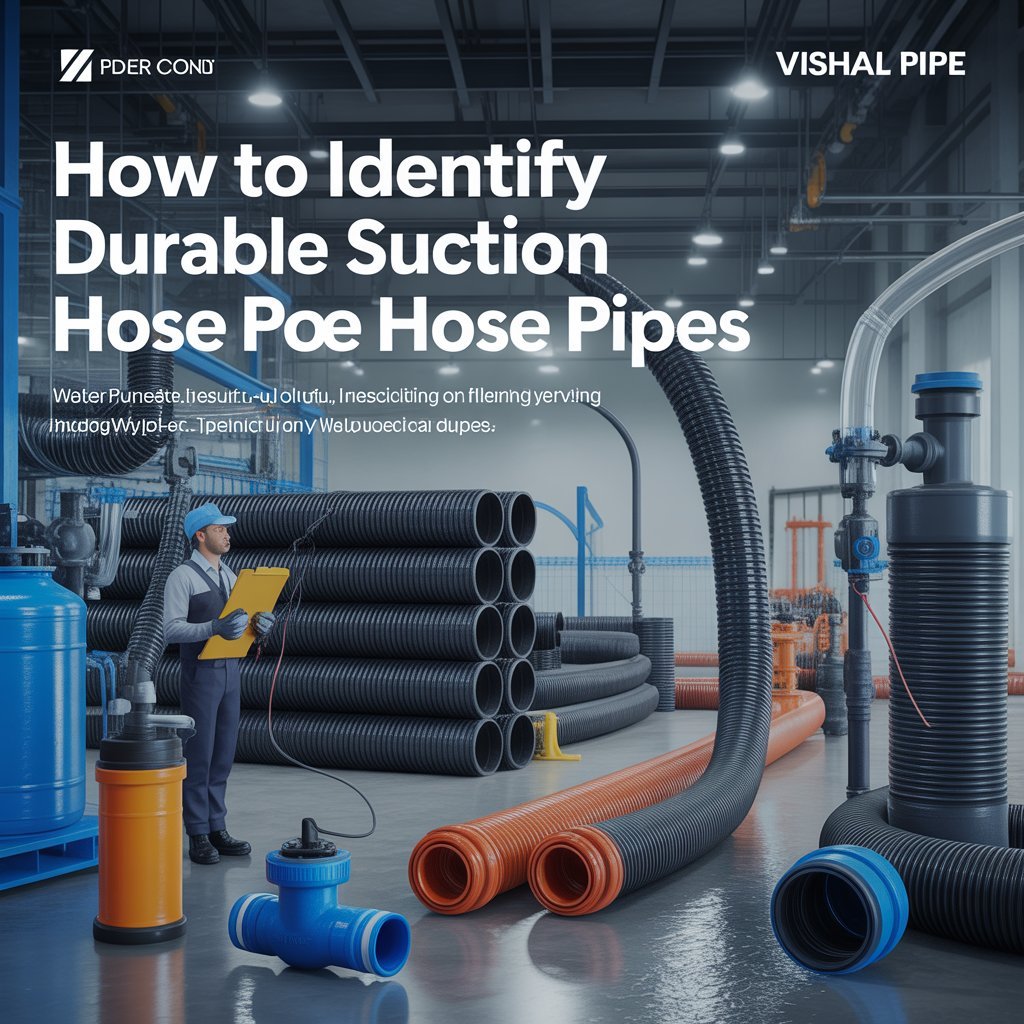
What Is a Suction Hose Pipe?
A suction hose pipe is specially designed to transfer liquids, slurry, chemicals, water, and other materials under suction pressure. These pipes are widely used in:
- Agriculture and irrigation
- Water pumping systems
- Construction sites
- Industrial fluid transfer
- Mining operations
- Municipal water systems
Unlike ordinary pipes, suction hoses are reinforced to prevent collapsing during suction operations.
Why Quality Matters in Suction Hose Pipes
Poor-quality pipes can lead to:
- Frequent leakages
- Reduced water flow
- Pipe collapse under pressure
- Higher maintenance costs
- Reduced pump efficiency
High-quality suction hose pipes provide:
- Better durability
- Strong pressure resistance
- Longer service life
- Flexibility and reliability
- Smooth fluid transfer
Businesses looking for a reliable Suction pipe delear in indore often prioritize durability and performance over low pricing because long-term efficiency matters more.
Key Signs of a High-Quality Suction Hose Pipe
1. Check the Material Quality
The material used in manufacturing plays a major role in pipe strength and lifespan.
Common Materials:
- PVC (Polyvinyl Chloride)
- Rubber
- HDPE compounds
- Reinforced thermoplastics
Premium pipes are made using high-grade raw materials that offer:
- UV resistance
- Chemical resistance
- Weather protection
- Crack prevention
A trusted PVC pipe manufacturer in indore generally uses superior-grade compounds to ensure better pipe performance under different environmental conditions.
2. Look for Strong Reinforcement
High-quality suction hose pipes contain reinforcement layers that prevent collapse during suction operations.
Reinforcement Types:
- Rigid PVC spiral reinforcement
- Steel wire reinforcement
- Textile reinforcement
Good reinforcement ensures:
- Better vacuum resistance
- Enhanced flexibility
- Improved durability
If a pipe bends too easily or feels weak, it may not handle heavy-duty applications effectively.
3. Evaluate Pipe Flexibility
A good suction hose pipe should be flexible enough for easy installation while maintaining structural strength.
Why Flexibility Matters:
- Easier handling
- Smooth movement around corners
- Reduced installation time
- Lower risk of breakage
However, excessive softness can indicate poor material quality. The ideal pipe balances flexibility with toughness.
4. Check Wall Thickness
Wall thickness directly impacts pipe durability and pressure resistance.
Thin pipes:
- Wear out faster
- Crack under pressure
- Fail during continuous usage
Thicker walls provide:
- Better impact resistance
- Longer lifespan
- Improved suction performance
Always compare wall thickness before purchasing.
5. Inspect Surface Finish
High-quality suction pipes usually have:
- Smooth inner surfaces
- Uniform outer finishing
- No bubbles or cracks
- Consistent color quality
A smooth interior reduces friction and improves fluid flow efficiency.
6. Verify Pressure and Vacuum Ratings
Every suction hose pipe is designed for specific pressure and vacuum capacities.
Always check:
- Working pressure rating
- Vacuum resistance
- Temperature tolerance
Industrial and agricultural users should never ignore these specifications.
Applications of High-Quality Suction Hose Pipes
Reliable suction hose pipes are widely used in:
Agriculture & Irrigation
Farmers use suction pipes for:
- Water transfer
- Irrigation systems
- Borewell operations
- Sprinkler systems
Businesses searching for a Sprinkler irrigation pipe dealer in indore often prefer durable piping systems that withstand continuous outdoor use.
Industrial Applications
Industries use suction pipes for:
- Chemical transfer
- Wastewater handling
- Dewatering systems
- Slurry movement
Industrial-grade pipes require higher durability and pressure resistance.
Construction Sector
Construction sites rely on suction pipes for:
- Water drainage
- Mud transfer
- Concrete pumping support
Strong reinforcement is critical in these demanding conditions.
How to Choose the Right Supplier
Buying from a trusted supplier is just as important as selecting the right product.
A reliable supplier offers:
- Quality-certified products
- Proper technical guidance
- Product warranty
- Multiple pipe options
- After-sales support
Many buyers search online for a dependable Pipe hose shop near me to compare quality, pricing, and product availability before purchasing.
Importance of HDPE and PVC Pipe Technology
Modern suction pipes often integrate advanced HDPE and PVC technologies for enhanced performance.
A professional HDPE pipe manufacturer in indore typically focuses on:
- Higher pressure tolerance
- Corrosion resistance
- Longer operational life
- Better environmental durability
These advanced materials improve overall pipe efficiency across industries.
Common Mistakes to Avoid When Buying Suction Hose Pipes
Choosing Based Only on Price
Cheap pipes often result in:
- Frequent replacements
- Downtime
- Increased maintenance expenses
Ignoring Application Requirements
Different industries require different pipe specifications.
Always select pipes according to:
- Pressure requirements
- Fluid type
- Environmental conditions
Not Checking Certifications
Certified products generally follow better manufacturing standards and quality control.
Maintenance Tips for Longer Pipe Life
To maximize suction hose pipe performance:
- Store pipes away from direct sunlight
- Avoid excessive bending
- Clean pipes regularly
- Check for leaks and cracks
- Use proper fittings
Routine maintenance significantly extends product lifespan.
Why Quality Suction Pipes Are a Smart Investment
High-quality suction hose pipes improve:
- Operational efficiency
- Water flow consistency
- Pump performance
- Long-term cost savings
Instead of replacing low-quality pipes repeatedly, investing in durable solutions delivers better results over time.
At Vishal Pipe, quality, reliability, and performance remain the foundation of every piping solution offered to customers across agricultural, industrial, and commercial sectors.
Final Thoughts
Identifying high-quality suction hose pipes requires attention to:
- Material quality
- Reinforcement strength
- Wall thickness
- Flexibility
- Pressure ratings
- Supplier credibility
Choosing the right suction hose pipe not only improves operational efficiency but also reduces long-term maintenance costs and equipment failures.
Whether you need pipes for agriculture, irrigation, industrial operations, or water transfer systems, always prioritize durability and quality over short-term savings.
A well-manufactured suction hose pipe is an investment that delivers reliable performance for years.
