Why HDPE Pipes Are the Best Choice for Water Supply & Irrigation Projects
Water is the backbone of agriculture, urban development, and industrial growth. Whether it is supplying clean drinking water to homes or ensuring efficient irrigation for farmlands, the performance of piping systems directly affects long-term success. In recent years, HDPE (High-Density Polyethylene) pipes have become the preferred choice for modern water supply and irrigation projects across India.
Understanding HDPE Pipes
HDPE pipes are manufactured using high-density polyethylene material known for its excellent strength-to-density ratio. Unlike conventional metal or concrete pipes, HDPE pipes are lightweight, corrosion-resistant, and capable of handling high pressure without cracking or leaking.
Because of these properties, HDPE pipes are widely used in underground installations, open-field irrigation systems, and municipal water supply networks where durability and reliability are critical.
Key Benefits of Using HDPE Pipes
1. Long-Lasting Durability
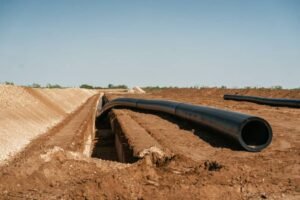
HDPE pipes are resistant to rust, corrosion, chemicals, and moisture. This makes them ideal for underground water supply systems where pipes remain exposed to soil and water for decades. When installed correctly, HDPE pipes can easily last more than 50 years.
2. Leak-Proof Jointing System
One of the biggest advantages of HDPE piping is its heat-fusion jointing technique. These joints form a continuous, leak-proof pipeline that prevents water loss and reduces maintenance costs significantly over time.
3. Flexibility & Impact Resistance
Unlike rigid piping systems, HDPE pipes can bend and adapt to uneven terrain. This flexibility helps absorb pressure surges and ground movement, making them suitable for areas with unstable soil or seismic activity.
4. Cost-Effective Installation
HDPE pipes are lightweight and easy to transport, which reduces handling and installation costs. Their flexibility also allows for trenchless installation methods, minimizing surface damage and speeding up project completion.
Applications of HDPE Pipes
Agricultural Irrigation Systems
Efficient irrigation is essential for improving crop yield and conserving water. HDPE irrigation pipes are widely used for:
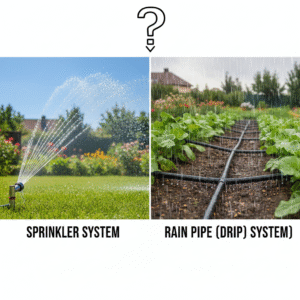
- Drip irrigation systems
- Sprinkler irrigation networks
- Water conveyance from canals and reservoirs
- Borewell and pump connections
HDPE pipes supplied by Vishal Pipe HDPE Water Pipes ensure smooth water flow with minimal leakage, helping farmers optimize water usage.
Water Supply Systems
HDPE pipes are extensively used in municipal and residential water supply projects because they do not react with water or release harmful substances. This helps maintain water purity from the source to the endpoint.
They are ideal for:
- Municipal water pipelines
- Rural drinking water projects
- Residential water distribution
- Underground water supply systems
Industrial & Infrastructure Projects
Industries prefer HDPE pipes due to their strength and resistance to harsh environments. These pipes are commonly used in industrial water flow systems, drainage networks, and large-scale infrastructure projects.
Why Choosing the Right HDPE Pipe Manufacturer Matters
The performance of HDPE pipes depends not only on the material but also on manufacturing quality. Choosing a trusted manufacturer ensures consistent pipe thickness, accurate dimensions, and compliance with industry standards.
At Vishal Pipe, s